Pregnancy and birth
Midwifery care during pregnancy
In the Netherlands, maternity care for low-risk pregnancies is primarily provided by a community midwife (“verloskundige”). The midwife is an autonomous medical professional who is trained and authorised to independently monitor pregnancy, conduct childbirth, provide postpartum care, and coordinate maternity care throughout pregnancy and birth.
During pregnancy, the midwife provides comprehensive prenatal care, including medical check-ups, monitoring of maternal and fetal wellbeing, counselling, and education about pregnancy, birth, and the postpartum period.
Prenatal screening and counselling are also part of standard midwifery care in the Netherlands. The midwife provides information and counselling regarding prenatal screening options, enabling expectant parents to make informed decisions. This includes counselling and organisation of screening for chromosomal conditions and structural anomalies.
Ultrasound examinations, including dating scans, anatomy scans, growth monitoring, and prenatal screening ultrasounds, are generally organised and performed within midwifery care practices or affiliated ultrasound centres. In many cases, these examinations take place directly within the midwifery practice.
Dutch maternity care is organised in different levels of care. During a low-risk pregnancy, care is usually provided by a primary care midwife. If complications or medical risks arise during pregnancy, labour, or postpartum, the midwife will consult with or refer to an obstetrician/gynaecologist in secondary or tertiary care. Midwives and obstetricians work closely together within an integrated maternity care system to ensure safe and appropriate care for mother and baby.
Where to give birth
If your pregnancy progresses without complications, you may choose to give birth at home or in a hospital, at home or in a birth centre. If there are complications or medical issues during the pregnancy, home birth may be too great of a risk. In that case you will have to give birth in a hospital under the supervision of a gynaecologist. If a hospital birth without medical indication is planned (“poliklinische bevalling”), you remain under the care of your own midwife, who will accompany to the hospital when active labour is established.
Hospital (with or without medical indication)
Women may choose to give birth in a hospital either with or without a medical indication.
If you have a low-risk pregnancy and choose a hospital birth without a medical indication, your own midwife will supervise the labour and birth in the hospital together with the maternity care assistant (“kraamverzorgende”). Depending on your health insurance policy, a personal contribution may apply.
If complications or medical risks occur during pregnancy or labour, care may be transferred or shared with a gynaecologist and the hospital maternity team. These medically indicated hospital births are generally covered by Dutch health insurance.
Pain relief options, including epidural analgesia and other forms of medical pain management, can be discussed both during pregnancy and during labour with your own midwife. Dutch midwives are trained and qualified to provide counselling regarding pain management, assess the medical situation, and coordinate all necessary steps to arrange appropriate pain relief when desired or indicated.
Home birth
Home birth is an established and safe part of Dutch maternity care for women with uncomplicated pregnancies. If you choose a home birth, your midwife (de verloskundige) will provide complete medical supervision during labour and birth. Midwives in the Netherlands are medically trained professionals authorised and competent to independently perform the necessary medical procedures associated with childbirth.
During a home birth, the midwife brings professional medical equipment and medication required to safely monitor and support mother and baby. This includes equipment and supplies comparable to those used during low-risk hospital births. The midwife is trained to recognise complications promptly and to initiate emergency measures or hospital transfer when necessary.
The midwife is usually assisted by a maternity care assistant (“kraamverzorgende”), who supports both mother and baby during and after the birth. Many families prepare for a home birth with a maternity package (“kraampakket”), which contains practical and medical supplies needed for labour and postpartum care. You can request a maternity package during your pregnancy through your health insurance.
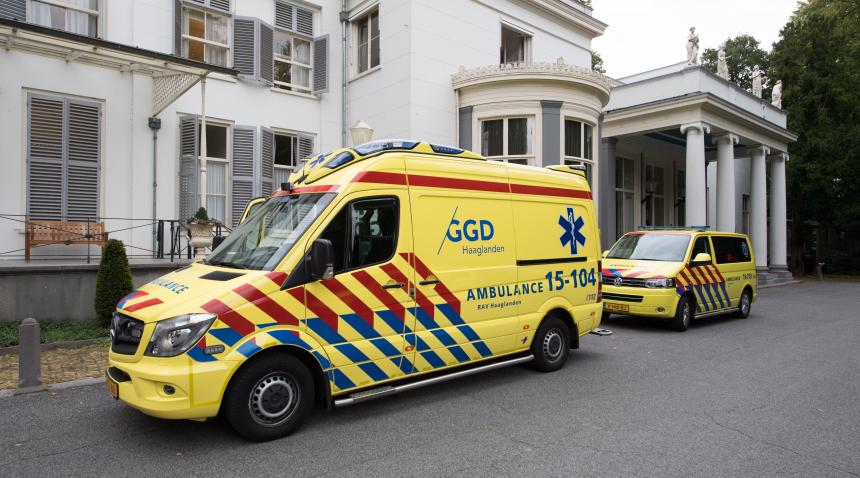
The close collaboration between community midwives, ambulance services, and hospital professionals is an important part of the Dutch maternity care system and contributes to the safety and continuity of care.
Birth centre
Giving birth in a birth centre is done under the supervision of your own midwife. Some birth centres are connected to a hospital, which might be a benefit should an emergency occur. Usually you can go home a few hours after the birth. For giving birth in a birth centre you will be charged a fee, which might be covered by your additional health insurance plan. Contact your insurer for your insurance conditions.
More information on pregnancy and childbirth can be found on the government website.