Feeling low on energy: what can I do to help myself?
This article is provided by our partner International Mental Care.
Autumn is well underway. Many of us have returned to our usual routines feeling rested and recharged. The start of a new academic year can also be a time when we feel motivated to set new goals and make positive changes, such as eating more healthily, exercising more, or taking better care of our mental health. At the same time, autumn reminds us that the days are becoming shorter, temperatures are dropping and the amount of daylight we get each day is gradually decreasing.After the brighter and more active summer months, this transition can sometimes affect how we feel. For some people, this may mean experiencing lower energy, reduced motivation, or a generally lower mood.
Understanding the causes of low mood and energy
When we notice changes in our mood or energy, it can be helpful to pause and explore what may be causing them. Sometimes, these symptoms are related to the season itself, while at other times, they may be triggered by stressful events or difficult experiences we have been through in the past. Understanding what is contributing to these feelings can be an important first step towards feeling better. In any case, it is helpful to spend time with friends and family, stay physically active, and make the most of the available daylight.
Making the most of autumn in The Hague
To help you feel better this autumn, here are some activities you can try in The Hague:
- Going for a run outside at Malieveld, Scheveningse Bosjes or at the beachside;
- Taking a walk around midday in the Haagse Bos;
- Having lunch outside on a bench in your neighbourhood;
- Meeting friends outdoors in the weekend;
- Planning a day trip or a long weekend away;
- Having a picnic in Scheveningen;
- Going to events organised around the city to meet new people and try new activities.
Bright Light Therapy: a seasonal support option
Research shows that Bright Light Therapy (BLT) can be helpful for people experiencing seasonal depressive symptoms, including low mood, fatigue, excessive insomnia or overeating. It is generally considered safe and well tolerated by most people, when monitored by a professional. International Mental Care is offering Bright Light Therapy which involves exposure to artificial light at controlled intensities and wavelengths. More information can be found on their website.
How therapy can help
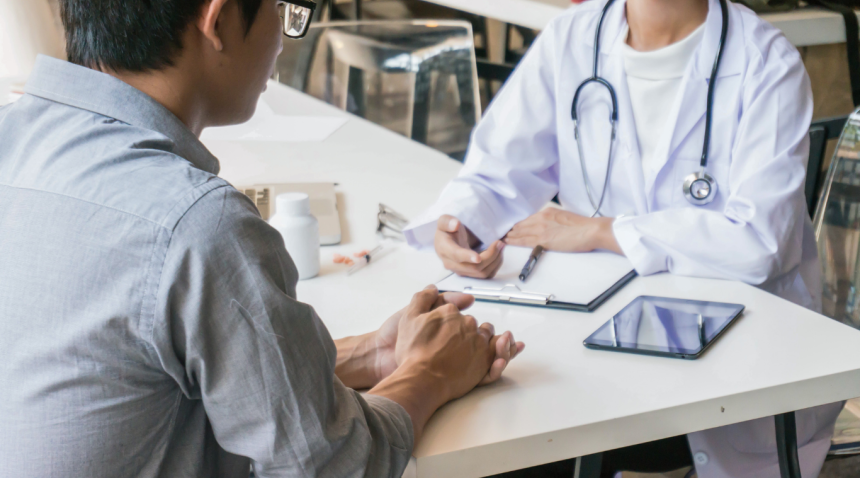
Psychotherapeutical sessions can also help people better cope with negative thoughts and process the unpleasant emotions, while exploring the causes of these difficulties. Through the therapeutic relationship and the conversations between therapist and client, therapy can provide emotional support while helping people develop more effective strategies to deal with their experiences.
Therapy is an investment in ourselves. It can give us the opportunity to name and recognise our feelings, make new decisions, find out who we truly are, find peace and develop new perspectives. It can also help us learn to trust again, process and embrace change, practice gratitude, face our fears, develop a healthier relationship with our bodies and forgive. These changes can help us address not only the symptoms of low mood and low energy, but also some of the underlying factors contributing to them. Over time, this can support meaningful changes at cognitive, emotional, and behavioural levels.
Reaching out for support
Asking for help is a sign of self respect and self awareness and all of us are worthy of investing in ourselves. If you are considering therapy, we recommend first contacting your health insurance provider to find out more about your coverage and reimbursement options. If you would like to explore this option, International Mental Care is here to support you. It is a multilingual mental healthcare clinic offering personalised support for a wide range of mental health challenges. The team includes psychiatrists, psychologists, psychotherapists, and nurse practitioners experienced in supporting internationals adapting to life in the Netherlands.
Disclaimer: This article is not medical advice and should not be seen as treatment of any sort. For medical advice or treatment seek help through your healthcare provider, at your GP, at IMC, or another clinic.